Placeholder image

Muscle tension, trigger points, and areas of restricted tissue can contribute to persistent low back pain and deep discomfort in the gluteal muscles. Radial pressure wave therapy is a noninvasive treatment that uses rapid, targeted pulses to stimulate the affected soft tissues.


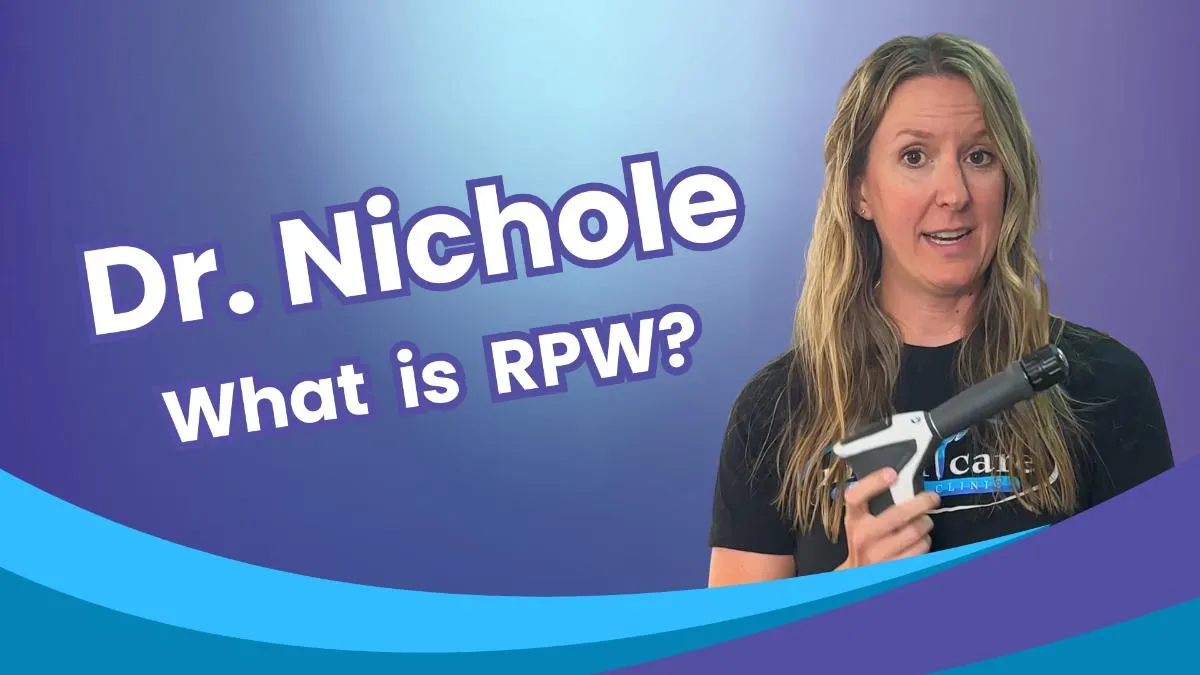
In this video, Dr. Nichole from Multicare Health Clinic demonstrates radial pressure wave therapy on Sara’s low back and gluteal region.

What Is Radial Pressure Wave Therapy?

Radial pressure wave therapy uses a handheld applicator to deliver repeated mechanical pulses into muscles and other soft tissues. These pulses may help increase local circulation, reduce muscle tension, and improve mobility in areas that feel tight or restricted.


The machine makes a repetitive tapping sound that Dr. Nichole compares to a small jackhammer. During treatment, the provider maintains controlled pressure over the targeted area.


A typical session may involve approximately 2,000 pulses, depending on the condition being treated and the patient’s individual needs.


What Conditions May It Help?

Radial pressure wave therapy may be considered for:


  1. Low back pain
  2. Deep gluteal discomfort
  3. Tight or overworked muscles
  4. Trigger points
  5. Muscle knots
  6. Soft-tissue adhesions
  7. Chronic areas of muscle tension
  8. Restricted movement caused by tight muscles


What Does Treatment Feel Like?


Patients generally feel rapid tapping or pulsing over the treatment area. Certain tight or sensitive spots may feel more intense, but the pressure can be adjusted to keep treatment tolerable.


Afterward, the treated muscles may feel more relaxed, with less tension or discomfort. Some temporary tenderness can occur, particularly when treating a sensitive or chronically tight area.

Is Radial Pressure Wave Therapy Right for You?


Low back or gluteal pain can have several possible causes. An examination can help determine whether your symptoms are related to muscle tension, trigger points, joint irritation, nerve involvement, or another condition.


The team at Multicare Health Clinic can evaluate your symptoms and determine whether radial pressure wave therapy should be included in your care plan.


📍 Multicare Health Clinic

🏥 3930 Stadium Dr, Sioux City, IA

📞 Call or text: 712-276-4325

🌐 MulticareClinic.com


Individual results vary. An evaluation may be necessary to determine whether this treatment is appropriate for your condition.
Frequently Asked Questions

Is radial pressure wave therapy the same as shockwave therapy?

The terms are sometimes used interchangeably, but different machines may produce different types of pressure or acoustic waves. Radial pressure wave therapy delivers mechanical pulses that spread through the targeted soft tissues.

Does radial pressure wave therapy hurt?

Patients usually feel rapid tapping or pulsing. Tight or irritated areas may be temporarily sensitive, but the treatment intensity can typically be adjusted for comfort.

How long does a radial pressure wave treatment take?

Treatment time depends on the area and condition being addressed. A session may include approximately 2,000 pulses delivered over several minutes.

What should I expect after treatment?

The area may feel more relaxed and less restricted. Some patients experience temporary tenderness, redness, or mild soreness after treatment.

How many treatments will I need?

The recommended number of visits depends on the condition, how long it has been present, and how your body responds. Your provider can recommend a care plan after evaluating you.

Can radial pressure wave therapy help sciatica?

It may help when muscle tension or deep gluteal trigger points contribute to symptoms. However, true sciatica can also involve irritation or compression of a spinal nerve, so an examination is important.

Who should not receive radial pressure wave therapy?

It may not be appropriate over certain tumors, infections, open wounds, blood clots, areas of impaired sensation, or during some stages of pregnancy. Patients taking blood-thinning medication or those with certain medical conditions should discuss them with their provider before treatment.